


Understanding Asbestos: Risks, Uses, and Safety
Summary
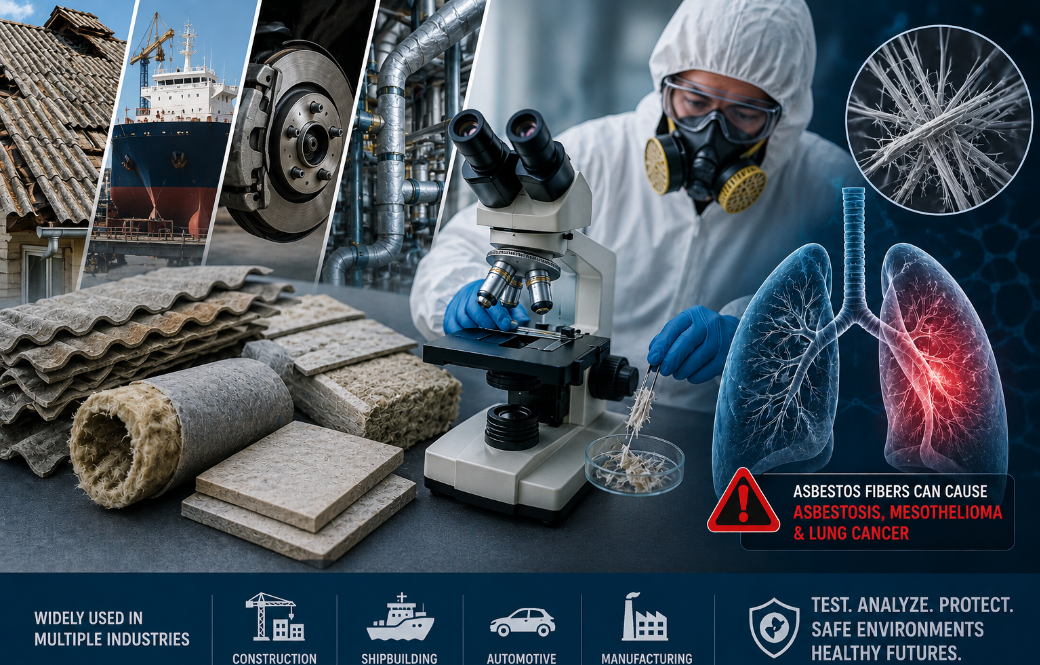
Asbestos is a naturally occurring mineral known for its heat resistance, strength, and insulating properties. Historically, it was widely used in construction, manufacturing, and various industrial applications. However, prolonged exposure to asbestos fibers can lead to severe health problems, including lung cancer, asbestosis, and mesothelioma. Today, strict regulations govern its use, and many countries have banned or heavily restricted asbestos-containing materials. Awareness, proper handling, and removal practices are crucial for preventing exposure and safeguarding public health.
Table of Contents
Introduction
Asbestos is a group of silicate minerals with thin fibrous crystals. Its physical properties—durability, resistance to heat and chemicals, and insulating capabilities—made it highly valuable in industries throughout the 19th and 20th centuries. Despite its advantages, asbestos poses serious health risks when its fibers are inhaled. This article explores the history, uses, hazards, regulations, and safety measures associated with asbestos.
History of Asbestos
Asbestos has been used for thousands of years. Ancient civilizations, such as the Egyptians and Greeks, incorporated asbestos fibers into fabrics and pottery to increase durability. During the Industrial Revolution, asbestos use surged dramatically, especially in construction materials, insulation, and shipbuilding. Its fireproof nature made it indispensable in industries such as:
- Construction (roofing, flooring, cement)
- Shipbuilding (insulation, gaskets)
- Automotive (brake pads, clutches)
- Manufacturing (textiles, adhesives)
By the mid-20th century, asbestos was a common component in homes, schools, and factories worldwide.
Types of Asbestos
Asbestos is classified into two main groups:
1 Serpentine
- Chrysotile (white asbestos): Curly fibers, most commonly used in construction materials.
2 Amphibole
- Includes amosite (brown asbestos), crocidolite (blue asbestos), tremolite, actinolite, and anthophyllite.
- Fibers are straight and needle-like, more hazardous than chrysotile.
Uses of Asbestos
Before the known health risks were widely acknowledged, asbestos was used in thousands of applications:
- Construction Materials: Roofing shingles, cement pipes, floor tiles, and insulation.
- Industrial Applications: Fireproof fabrics, gaskets, brake linings, and coatings.
- Consumer Goods: Hair dryers, ironing board covers, and certain household appliances.
- Shipbuilding & Automotive: Engine insulation, brake pads, and clutches.
Its fire-resistant nature made asbestos especially valuable in industries with high heat exposure.
Health Hazards
Asbestos is dangerous when its fibers become airborne and are inhaled. Once inhaled, fibers can lodge in the lungs and cause serious diseases, often developing decades after exposure. Major health risks include:
1 Asbestosis
- Chronic lung disease caused by scarring of lung tissue.
- Symptoms: Shortness of breath, persistent cough, chest tightness.
2 Mesothelioma
- Rare and aggressive cancer affecting the lining of lungs, abdomen, or heart.
- Strongly linked to asbestos exposure.
3 Lung Cancer
- Risk increases significantly for smokers exposed to asbestos.
- Symptoms: Persistent cough, chest pain, weight loss.
4 Other Diseases
- Pleural plaques and thickening, gastrointestinal cancers, and autoimmune disorders.
Detection and Removal
Detecting asbestos in older buildings requires specialized testing by certified professionals. Removal or abatement involves:
- Isolation: Containing the area to prevent fiber spread.
- Protective Equipment: Respirators, disposable clothing, and gloves.
- Wet Methods: Minimizing dust by wetting materials before removal.
- Proper Disposal: Sealing asbestos waste in labeled containers for regulated disposal sites.
DIY removal is strongly discouraged due to high health risks.
Modern Alternatives
With growing awareness of health hazards, safer alternatives have replaced asbestos in most applications:
- Fiberglass insulation
- Mineral wool
- Cellulose fibers
- Thermoset plastics
- Polyurethane foams
These materials provide similar fire-resistant and insulating properties without the severe health risks.
Conclusion
Asbestos is a material with a long industrial history and useful properties, but its health hazards cannot be ignored. Understanding the risks, implementing proper regulations, and safely managing asbestos-containing materials are essential to protect workers and the public. While asbestos use has declined sharply, ongoing vigilance and public awareness are necessary to prevent exposure and disease.