


🧬The Silent Killer: How Asbestos Still Affects Health Today

Table of Contents
For much of the 20th century, asbestos was celebrated as a miracle material. It was heat-resistant, strong, and cheap — the perfect ingredient for insulation, roofing, and countless industrial applications. But beneath its usefulness lies a dark legacy: a silent killer that still claims thousands of lives every year.
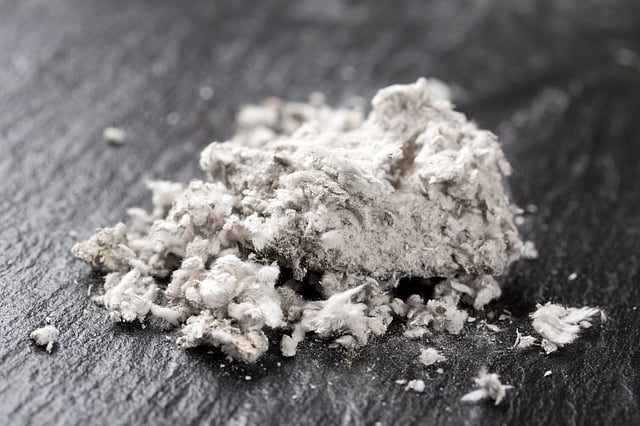
When asbestos fibers are inhaled, they can lodge deep in the lungs and remain there for decades. Over time, this can lead to diseases like asbestosis, lung cancer, and mesothelioma, an aggressive cancer almost exclusively caused by asbestos exposure. The latency period — the time between exposure and illness — can stretch 20 to 50 years, making diagnosis difficult and often too late for treatment.
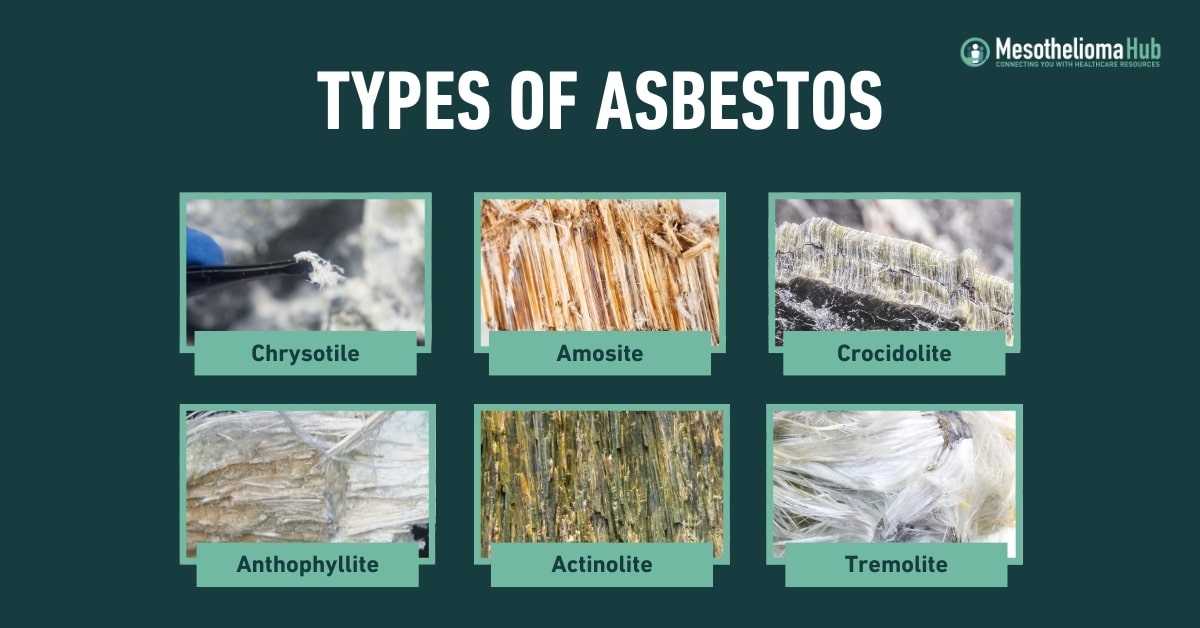
Despite bans in many countries, asbestos remains legal or poorly regulated in others, particularly in developing regions. Old buildings, ships, and industrial sites continue to release fibers during renovation or demolition. The tragedy is that every asbestos-related death today is preventable. Awareness, protective equipment, and professional removal services are essential to stop this ongoing hazard.